
Google VEO 3
Veo 3 AI APK v1.2 [Unlimited Free Credit] Download For Android/iOS
Google Veo 3 is Google’s advanced AI video generation model that transforms text and creative prompts into high-quality, cinematic video clips. Built on next-generation multimodal AI, Veo 3 enables creators, marketers, educators, and businesses to produce professional video content with realistic motion, native audio, and consistent visual quality.As part of Google’s evolving AI ecosystem, Veo 3 helps reduce production time, lower creative costs, and unlock new possibilities for automated visual storytelling.

Text-to-Video Generation
Veo 3 is an AI video tool that turns text prompts into realistic, cinematic videos. Users can control scenes, characters, camera angles, lighting, and mood, making it easy to create professional-quality videos quickly without editing skills.

Realistic Motion and Physics
Veo 3 generates lifelike, cinematic videos by simulating real-world physics, natural motion, and smooth camera movement for professional-quality results.It improves realism by ensuring accurate object behavior and smooth transitions, reducing artificial-looking visuals.

Built-in Audio and Sound Effects
Veo 3 adds music, sound effects, and dialogue automatically, creating immersive videos without the need for separate audio editing tools.It supports environmental and scene-based audio to enhance realism and overall video quality.

High-Quality Video Resolution
Veo 3 produces clean, high-quality HD videos optimized for marketing, education, social media, and creative storytelling, with future support for 4K resolution.

Multi-Format & Aspect Ratio Support
Veo 3 automatically adapts videos to multiple aspect ratios, making content optimized for YouTube, TikTok, Instagram, and other platforms.

Integration with Google Ecosystem
Veo 3 integrates with Google’s AI and cloud tools to support scalable, automated, and enterprise-ready video production workflows.
Google VEO 3
Google Veo 3 is an advanced AI video generation model that creates short, cinematic videos from text or image prompts. It understands scene context, camera direction, and environmental details, while generating realistic motion and synchronized audio. With cloud scalability and integration with Google AI platforms, Veo 3 supports both professional video production and creative experimentation.
Who can benefits from try Veo 3 Al?
Content Creators and Influencers:
Veo 3 AI enables content creators and influencers to produce high-quality, cinematic videos directly from text prompts. It streamlines the video creation process, reduces production time, and supports consistent content publishing, making it easier to maintain professional visual standards without complex editing workflows.
Marketing and Advertising Professionals
Google Veo 3 helps marketing and advertising professionals create engaging promotional videos directly from text prompts. It allows businesses to reduce production costs, quickly test multiple ad variations, and optimize campaigns across different platforms, making digital marketing more efficient and scalable.
Educators and Trainers
Veo 3 AI helps educators and trainers create high-quality, engaging educational videos from text prompts. It saves time on video production, supports consistent training content, and makes it easier to develop professional learning materials without advanced editing skills.
Filmmakers and Storyboard Artists
Veo 3 enables filmmakers and storyboard artists to visualize scenes using text prompts, supporting pre-production planning and creative development. It helps present ideas clearly, test concepts cost-effectively, and streamline the storytelling process before full-scale production begins.
Businesses and Entrepreneurs
Veo 3 AI helps businesses and entrepreneurs create professional promotional and training videos from textprompts without the need for expensive editing teams. It supports cost-effective marketing, internal training, and brand communication, making high-quality video production more accessible for growing companies and startups.
Game Developers and Designers
Veo 3 helps game developers and designers create realistic concept trailers and visual prototypes from text prompts. It supports faster idea presentation, improves creative visualization, and saves time and resources during early-stage game development and planning.
General AI Enthusiasts and Innovators
Google Veo 3 is ideal for AI enthusiasts and innovators who want to explore generative AI for creative storytelling and content automation. By combining text, audio, and visuals, it enables users at any skill level to experiment with advanced AI-driven video creation and innovative content workflows.
How to Access Veo 3 Free Online?
Google Veo 3 is accessed through cloud platforms rather than traditional software downloads. This allows users to generate videos without requiring high-end local hardware.
Public Preview via Vertex AI:
Google Veo 3 is available in public preview on Google’s Vertex AI platform, allowing registered users to test the tool with limited access, short video durations, and usage caps. This enables early adopters to explore its capabilities and evaluate AI video generation before wider availability.
Using Google Cloud Free Trial Credits
New Google Cloud users can use $300 in free trial credits for 90 days to test Veo 3 through Vertex AI. This allows users to explore AI video generation features while staying within the credit limit to avoid additional charges.
Student / Education Promotions
Google may offer students free or discounted access to Veo 3 through educational promotions. These offers typically require valid student verification and may be limited by region, allowing eligible students to explore AI video generation at reduced or no cost.
Free Trial of Google AI Pro
Google may offer a free trial of its AI Pro plan that provides temporary access to Veo 3 features. This allows users to test advanced AI video capabilities, with the option to cancel before the trial ends to avoid charges.
Third-Party Tools / Integrations
Some third-party platforms, such as EaseMate AI and Pollo AI, may offer limited free access to Veo 3 through integrations. These options often come with restrictions like usage quotas, watermarks, or lower video resolution, making them suitable for basic testing and experimentation.
Watch for Promotional Periods
Google may occasionally offer temporary promotional access to Veo 3 for Gemini users, allowing limited video generation. Users should monitor official Google announcements to take advantage of these short-term offers and early access opportunities.
Veo 3 Pricing and Plans (Updated Guide)
Veo 3 pricing varies based on usage type, subscription plan, and access method. Google and partner platforms offer multiple ways to use Veo 3, ranging from monthly subscriptions to usage-based and enterprise plans.
Veo 3 Subscription Plans
Veo 3 offers different subscription tiers that include video generation credits, 1080p resolution, lip sync, priority processing, and usage rights.
These plans are designed for creators, marketers, and businesses that need regular access to AI video generation.
Google AI Plans and Bundled Access
In many regions, Veo 3 is also available through Google’s broader AI subscription ecosystem.
Availability and included credits may vary by region and user eligibility.
Veo 3 Fast (Per-Second Pricing)
Some platforms offer a speed-optimized version known as Veo 3 Fast, which charges based on video duration.
Other Platforms and Bundled Access
Several third-party platforms bundle Veo 3 into their own subscriptions.
These platforms may use different credit systems, resolution limits, and usage rights compared to Google’s native implementation.
Pricing and Plans Overview
Veo 3 pricing depends on several factors, including how you access the service and how much video you generate.
Veo 3 Pricing Factors
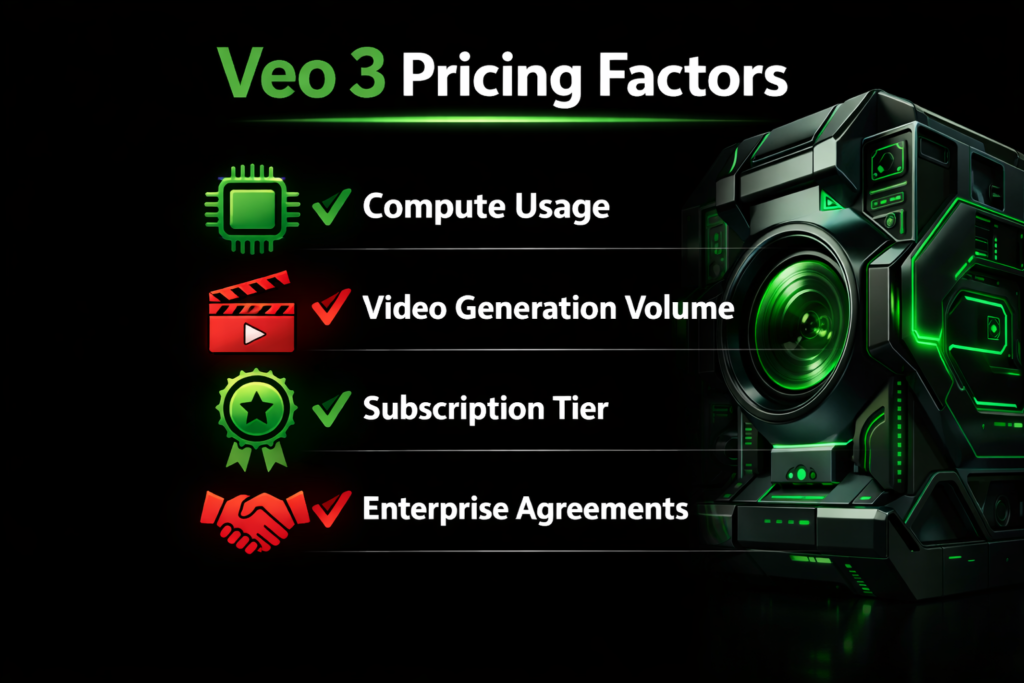
Veo 3 pricing depends on compute usage, video volume, subscription level, and enterprise agreements.Higher usage and advanced plans increase costs, while enterprise deals offer custom pricing and scalability.
Google AI Plans and Bundles
Some Google AI and Google Cloud subscription plans may include bundled access to Google VEO 3 or provide usage credits, making it more cost-effective for users who are already part of the Google ecosystem. This allows businesses and creators to leverage existing cloud resources while reducing additional costs for AI video generation and related services.
Create more for less with Veo 3 Fast
Introduction to Veo 3 Fast
Google VEO 3 Fast is a speed-optimized and cost-effective version of Google Veo 3 designed to help users generate high-quality AI videos quickly. It focuses on faster processing and lower costs, making it suitable for short-form content, rapid testing, and users who need affordable video generation without sacrificing overall visual quality.
What Makes Veo 3 Fast Different
Google VEO 3 Fast is designed for users who prioritize speed and affordability over ultra-high realism. It delivers quality AI-generated videos with faster processing times, making it ideal for rapid content creation, quick testing, and high-volume workflows where efficiency and turnaround time are more important than maximum cinematic detail.
Cost-Effective Content Creation
Google VEO 3 Fast supports cost-effective video creation by allowing creators and businesses to produce multiple videos within the same budget. This makes it especially useful for startups, solo creators, and teams that need to scale content production while keeping costs under control.
Speed and Efficiency:
Google VEO 3 Fast is built for speed and efficiency, delivering fast, high-quality AI video generation through optimized processing. It helps creators meet tight deadlines, maintain consistent posting schedules, and increase overall content output without slowing down production workflows.
Ideal for Social Media and Marketing
Google Veo 3 Fast is ideal for social media creators and marketers who need to produce engaging videos quickly for platforms like TikTok, Instagram, and YouTube. Its fast processing supports consistent posting, rapid campaign testing, and content scaling, helping brands and creators maintain growth and audience engagement.
Seamless Integration and Accessibility
Google VEO 3 Fast integrates smoothly with Google Vertex AI, Gemini API, and tools like Canva, making AI video creation simple and accessible. This seamless integration allows users of all skill levels to generate videos efficiently, automate workflows, and incorporate AI video generation into existing creative and business processes.
Use Of VEO 3
Google Veo 3 is designed to support a wide range of creative and commercial video workflows. Its combination of speed, realism, and built-in audio makes it especially useful for short-form content, rapid prototyping, and automated visual storytelling.Whether you are a content creator, marketer, educator, or business owner, Veo 3 helps streamline video production while maintaining professional visual quality.
What Veo 3 Offers That Makes It Useful
Before looking at specific use cases, several key capabilities explain why Google VEO 3 stands out as a powerful AI video generation platform. These features directly impact speed, quality, and creative flexibility.
Optimized for Short-Form and Social Media Content
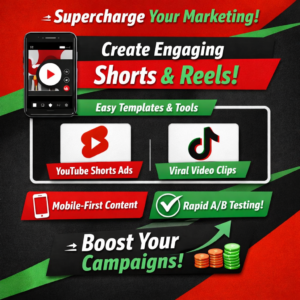
Google VEO 3 is especially well-suited for short video clips, which are common across today’s major platforms. Its design aligns with the needs of creators who publish frequently and require fast turnaround times.
Native Audio and Synchronized Sound for Immersive Videos
One of Google VEO 3 key advantages is its ability to generate video with built-in, synchronized audio. Instead of producing silent visuals, Veo 3 can include sound as part of the generation process.
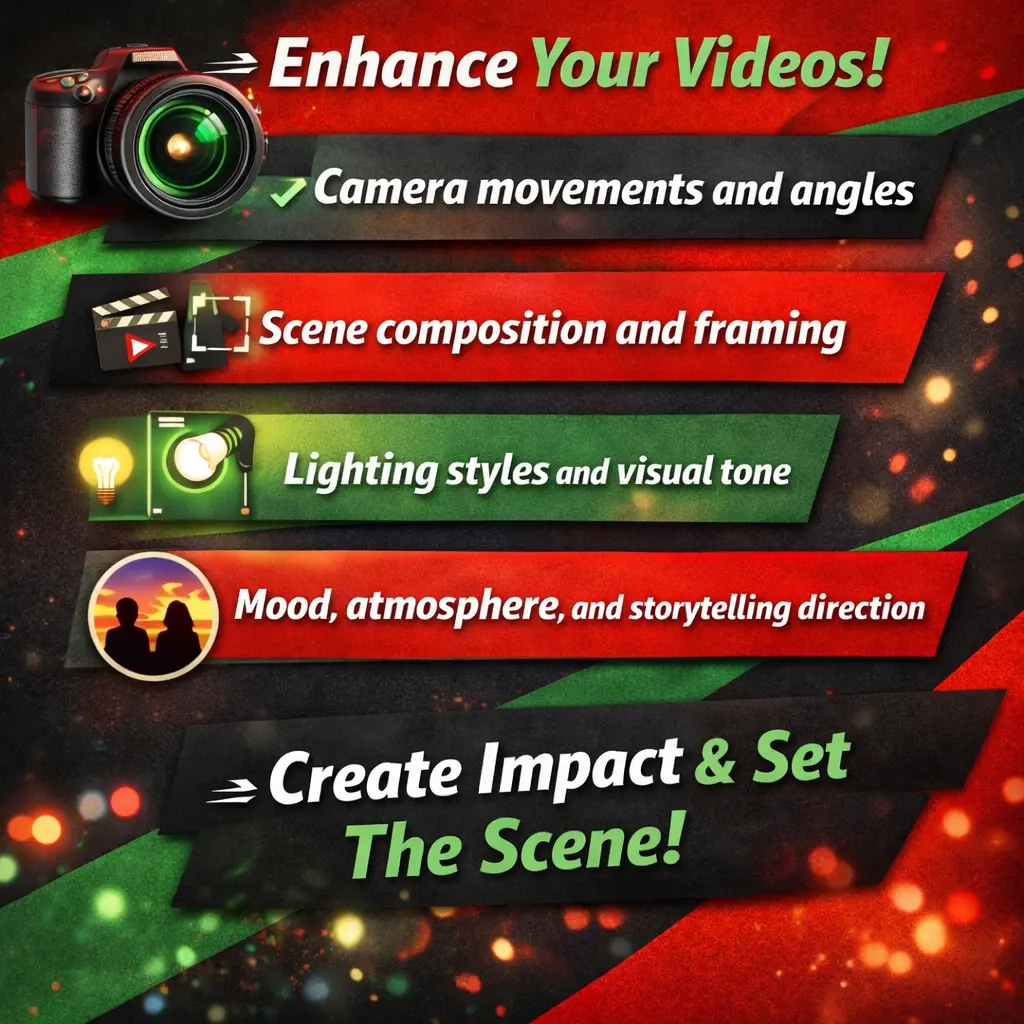
Advanced Prompt Understanding and Cinematic Control
Google VEO 3 is designed to interpret prompts in a detailed and context-aware way. It does more than follow simple instructions it attempts to understand creative intent and visual storytelling elements.
Main Use Cases of Veo 3
Use Case | What It Means / How It’s Done | Why It’s Helpful / Advantage |
|---|---|---|
Social Media Content Creation | Creating short video clips for platforms like YouTube Shorts, Instagram Reels, and TikTok by using text prompts (e.g., scenery, lifestyle, or mood-based scenes) and publishing directly. | Saves time compared to filming; maintains consistent style; allows quick variations; ideal for frequent posting and short-form content strategies. |
Advertising & Marketing | Generating promotional videos, product demos, and teaser visuals without traditional photo or video shoots. Brands can visualize product features and marketing concepts using AI-generated scenes. | Reduces production costs; faster campaign turnaround; supports A/B testing; enables scalable content across multiple markets and products. |
Educational & Training Materials | Creating explainers, tutorials, and animated concepts for subjects like science, history, or technical training using short narrated or ambient clips. | Improves learner engagement; combines visuals and audio; makes complex topics easier to understand; enables non-experts to create professional learning visuals. |
Storyboarding & Concept Development | Prototyping scenes to test camera angles, lighting, mood, and composition before full production for films, ads, or creative projects. | Enables early feedback; reduces creative risk; supports pitching ideas; helps teams refine concepts before investing in full production. |
Branding & Visual Identity | Generating visuals that match brand tone, including short brand intros, animated title slides, and stylized brand stories using consistent visual themes. | Maintains brand consistency; speeds up campaign asset creation; supports multi-format visuals; helps scale branded content efficiently. |
Entertainment & Creative Expression | Producing short narrative scenes, fantasy or sci-fi visuals, music video segments, and artistic experiments using imaginative prompts. | Encourages creativity; lowers barriers to visual storytelling; enables experimental and surreal content; supports artistic exploration. |
Photo Animations & Visual Remixes | Turning static images into short motion clips or using still photos as visual references to generate animated scenes. | Brings life to still photos; increases engagement; enhances social content; supports modern photo-to-video workflows. |
Corporate Communications & Presentations | Creating internal videos, service overviews, animated presentations, and visual updates for employees, clients, or stakeholders. | Reduces need for video crews; faster content creation; improves professionalism; increases engagement in business communication. |

Technical Specifications
Veo 3 is designed to deliver high-quality, fast-rendering videos optimized for modern digital platforms. It supports 720p and 1080p HD video output, ensuring sharp visuals for both web and mobile audiences. With flexible 16:9 and 9:16 aspect ratios, Veo 3 is ideal for YouTube, social media reels, and short-form vertical content.
Supported Video Resolutions
The platform operates at a smooth 24 frames per second (fps), providing cinematic motion and professional visual consistency. Users can also generate short preview clips with 4 to 8 seconds duration, making it perfect for testing creatives, running ad previews, and optimizing performance before full-scale publishing.
Cinematic 4K Video Creation
Create high-impact, cinematic 4K videos using advanced AI video generation. Google Veo 3 transforms simple text prompts into visually rich scenes with realistic motion, detailed environments, and production-quality visuals. This makes it easier to produce professional-looking video content without traditional filming or complex editing workflows.
Choose Anyone
High-Quality Video Output
Veo 3 delivers sharp, high-quality video output in 720p and 1080p, with planned support for 4K resolution in future updates. This ensures creators and professionals can produce clear, cinematic-style visuals suitable for marketing, social media, and professional presentations, while maintaining consistent image quality and smooth playback across platforms.